


-

Add: HeBei ShengShi HongBang Cellulose Technology CO.,LTD.
-

Email
13180486930@163.com -

CONTACT US
+86 13180486930
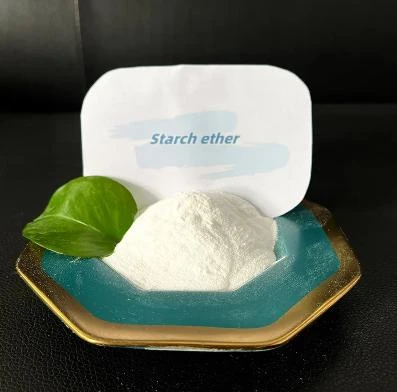
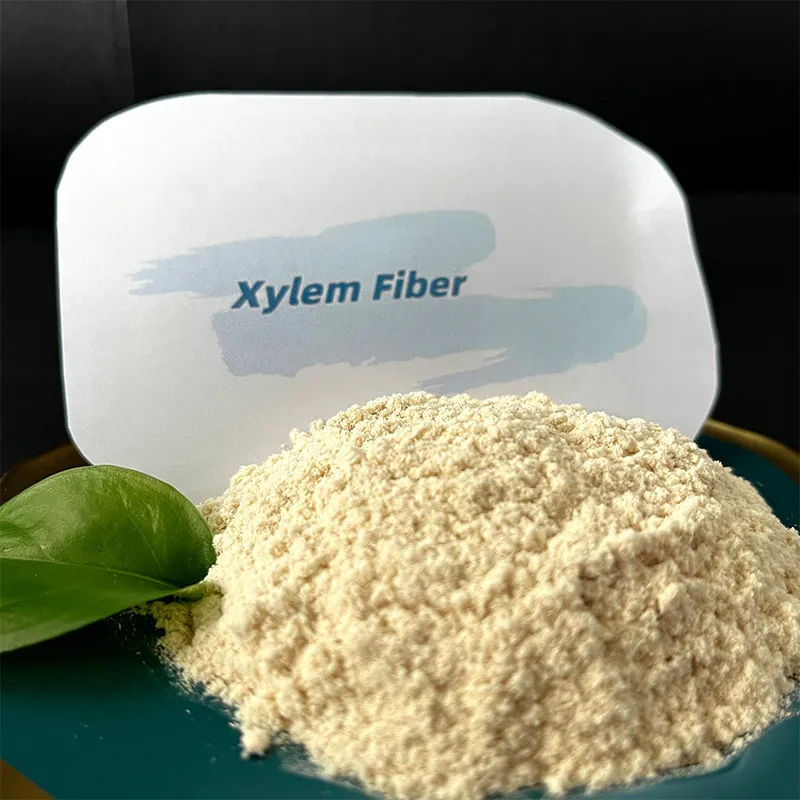

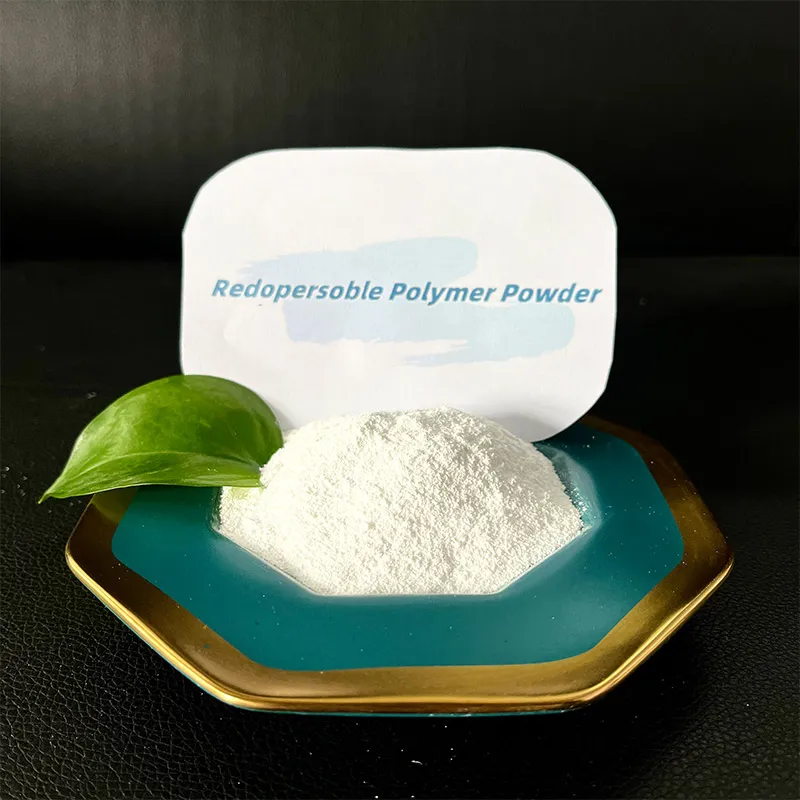
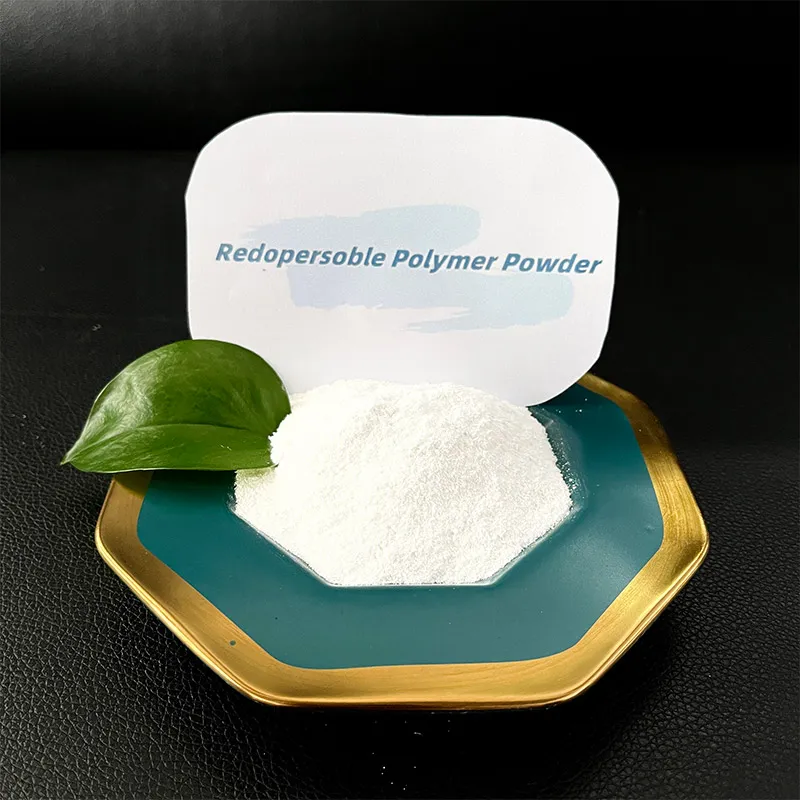
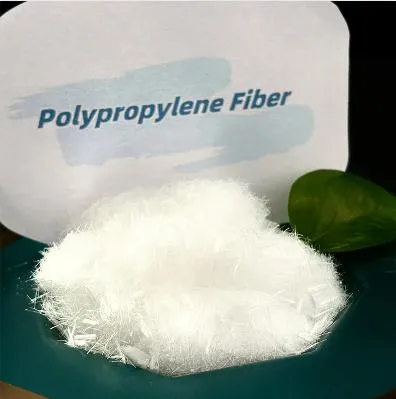


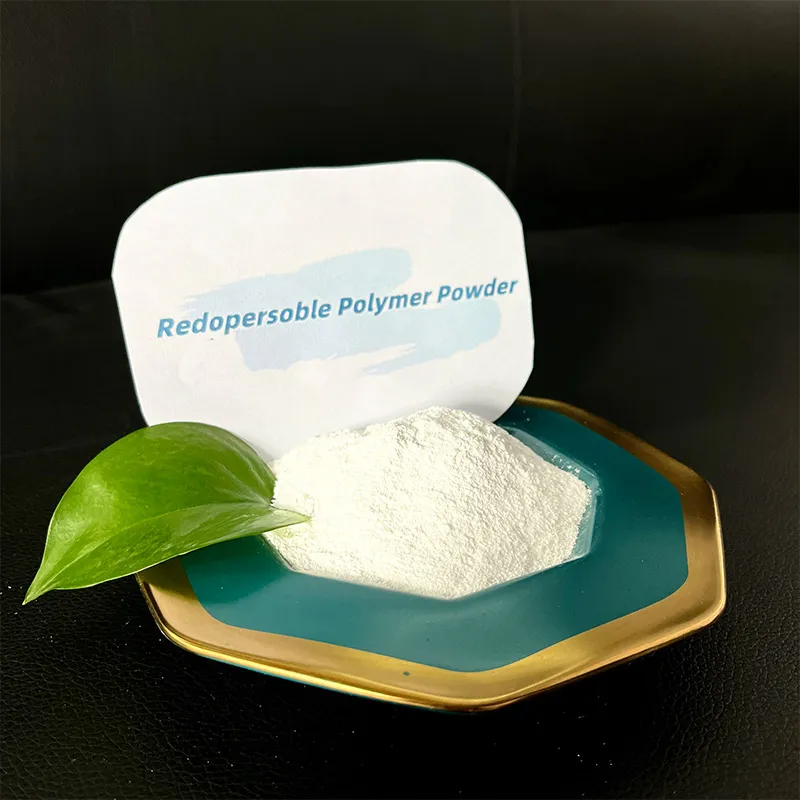
In modern construction and industrial applications, materials like redispersible polymer powder , vinyl acetate ethylene copolymer powder , and redispersible latex powder have transformed traditional practices. These advanced powders enhance performance, durability, and flexibility, enabling industries to meet contemporary demands. Meanwhile, innovations such as LDPE powder add to the versatility of polymer technology. Redispersible Polymer Powder: Enhancing Construction Efficiency Redispersible polymer powder is a key ingredient in cementitious and gypsum-based products, offering superior binding and flexibility. It works by redistributing when mixed with water, forming a film that strengthens mortar, adhesives, and plasters. The powder’s ability to improve adhesion, flexibility, and water resistance has made it indispensable in modern construction projects. Contractors rely on redispersible polymer powder to enhance tile adhesives, self-leveling compounds, and external insulation systems. Its easy integration into dry mix formulations simplifies production and application, making it a go-to solution for efficient and durable results. Vinyl Acetate Ethylene Copolymer Powder: The Backbone of Flexibility Among advanced construction materials, vinyl acetate ethylene copolymer powder stands out for its unique properties. This versatile copolymer enhances the performance of construction products by providing improved elasticity, adhesion, and crack resistance. Its ability to act as a stabilizing agent makes it ideal for applications like waterproofing membranes, grouts, and render systems. The synergy between vinyl acetate ethylene copolymer powder and other components, such as cement, creates durable and flexible formulations. By selecting high-quality redispersible polymer powder , which often includes this copolymer, manufacturers can meet the growing demands of the construction industry for more sustainable and reliable products. Redispersible Latex Powder: Versatility Across Applications For manufacturers seeking a material that offers multi-functional benefits, redispersible latex powder is an excellent choice. This innovative powder improves water retention, adhesion, and flexibility in a wide range of products, including tile adhesives, mortars, and sealants. Its redispersible nature makes it easy to transport and mix, streamlining the manufacturing process. In addition to its construction applications, redispersible latex powder plays a role in other industries, such as textiles and coatings. Its compatibility with various additives allows for customization, enabling businesses to create tailored solutions that meet specific needs. With its reliability and ease of use, redispersible latex powder remains a trusted material across sectors. LDPE Powder: Expanding Polymer Applications Complementing the benefits of redispersible polymer powder is LDPE powder , a material known for its flexibility and chemical resistance. Low-density polyethylene (LDPE) in powdered form offers a range of applications, from industrial coatings to plastic manufacturing. Its ability to enhance surface smoothness and impact resistance makes it a valuable addition to diverse industries. In construction, LDPE powder is often used to improve the performance of paints, adhesives, and waterproofing products. Its lightweight and non-toxic nature further contribute to its popularity. When combined with vinyl acetate ethylene copolymer powder or redispersible latex powder , it creates synergistic effects that maximize the durability and efficiency of the final product. Why Choose Redispersible Polymer Powder for Your Needs? Investing in high-quality redispersible polymer powder ensures improved performance and efficiency across various applications. Its ability to strengthen and enhance flexibility makes it an essential material in construction, while its compatibility with innovations like vinyl acetate ethylene copolymer powder and redispersible latex powder expands its versatility. For industries looking to optimize processes and products, materials such as LDPE powder provide additional opportunities for innovation. By leveraging the strengths of these advanced polymers, businesses can create solutions that are both cost-effective and environmentally friendly. Embrace the future of construction and manufacturing with redispersible polymer powder , vinyl acetate ethylene copolymer powder , and LDPE powder . These cutting-edge materials are paving the way for stronger, more sustainable, and more versatile products.
- 40000tons

Production
- 20+years

Experience
- 5000+㎡

Acreage

-
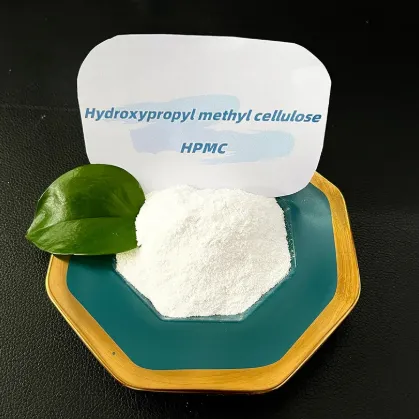
The detergent industry is experiencing a subtle yet significant revolution, and at the forefront of this transformation is Hydroxypropyl Methylcellulose, commonly known as HPMC. As a seasoned expert in the field of SEO, I've closely observed how incorporating HPMC can not only enhance the quality of detergents but also position a brand as a leader in innovation and environmental friendliness. The addition of HPMC in detergents brings a unique set of benefits that appeal to both manufacturers and consumers. For manufacturers, it offers an innovative solution that improves the viscosity and stability of detergents. HPMC serves as an excellent thickening agent, providing a consistent texture that consumers have come to expect from premium detergent brands . This consistency is crucial in maintaining the effectiveness of the detergent, ensuring that every drop delivers maximum cleaning power. Moreover, HPMC is derived from cellulose, making it a naturally occurring substance that aligns with the growing consumer demand for eco-friendly products. As an expert in sustainability, I recognize the importance of adopting green chemistry in manufacturing processes. HPMC in detergents reduces the reliance on synthetic chemicals, offering an environmentally benign alternative without compromising on quality. This not only enhances a brand's reputation for environmental responsibility but can also open doors to new markets eager for sustainable household products. From an expertise perspective, the role of HPMC extends beyond just physical attributes. It also improves the shelf life of detergents by stabilizing the formulation, preventing ingredients from separating over time. This results in less waste and more satisfied consumers, as the product maintains its integrity from purchase to last use. The stabilizing property of HPMC ensures that active ingredients remain effective throughout the product's life, a critical aspect that sets high-quality detergents apart from their less stable counterparts. hpmc for detergent In terms of authoritativeness, extensive research supports the efficacy of HPMC in detergent formulations. Numerous studies have demonstrated its superiority as a thickening and stabilizing agent, often outperforming traditional counterparts. This research-backed validity enhances credibility and supports claims made by brands utilizing HPMC, fostering consumer trust. For products seeking regulatory approval or certifications, the proven track record of HPMC in detergents stands as a testament to its safety and effectiveness. Trustworthiness is the cornerstone of any brand's relationship with its customers. By leveraging HPMC, manufacturers can transparently showcase their commitment to quality and sustainability. HPMC is hypoallergenic and safe for human contact, making it particularly appealing for families with skin sensitivities. The endorsement of dermatological experts and eco-certification bodies can further reinforce the trust consumers place in detergents containing HPMC. Ultimately, for brands focusing on SEO, it's crucial to highlight these multifaceted benefits of HPMC in detergent-related content. Emphasizing its role in enhancing viscosity, environmental sustainability, product stability, and consumer health can significantly improve online visibility and engagement. Crafting content around real-world applications and consumer reviews can provide genuine insights and drive home the advantages of HPMC in modern detergents, securing a pivotal role in a brand's digital narrative. Incorporating HPMC into detergent formulations presents a dual opportunity advancing product quality while meeting the rising demand for eco-conscious and effective cleaning solutions. As the industry continues to evolve, HPMC remains at the forefront, not just as an additive, but as a catalyst for a cleaner, greener future.
-
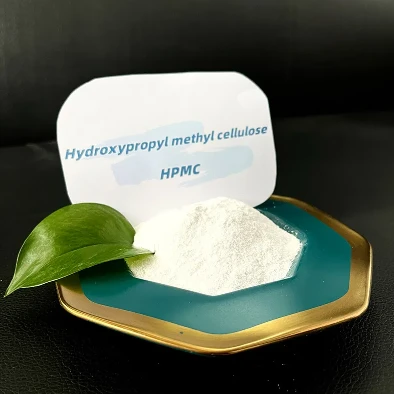
Hydroxypropyl methylcellulose (HPMC) has become an integral component in the construction industry, particularly in the formulation of mortar. With its multifunctional properties, HPMC has revolutionized how mortar performs under various conditions, enhancing its utility and efficiency in building projects. Drawing from extensive industry experience and scientific expertise, this article explores the various facets of HPMC for mortar, focusing on its role, benefits, and application, ensuring a comprehensive understanding that can benefit professionals and enthusiasts seeking authoritative information. Mortar, a pivotal material in construction, requires a balance of viscosity, adhesion, and workability. HPMC, a non-ionic cellulose ether derived from natural cellulose, bridges the gap between traditional mortar components and modern construction needs. Its inclusion in mortar formulations significantly enhances water retention, increases open time, and improves workability — all crucial factors for masonry efficiency and durability. One of the key advantages of HPMC in mortar is its excellent water retention capabilities. This characteristic ensures that water is held within the mortar matrix for extended periods, allowing for better hydration of the cement particles. As a result, the strength of the mortar improves, reducing the risk of cracks and increasing the overall longevity of the constructed element. Professional builders recognize this enhanced strength as a critical facet for ensuring the structural integrity of walls and other structures subjected to various environmental stressors. Moreover, HPMC improves the workability of mortar, which is particularly beneficial during application. A mortar mix that includes HPMC demonstrates superior spreadability, making it easier to apply and adjust. This property is invaluable for masons who require precise placement and alignment during construction activities . It minimizes waste, reduces the effort and time required for application, and therefore, enhances cost-efficiency — a benefit echoed by construction project managers focused on optimizing resources and expenses. Another significant attribute of HPMC is its ability to prolong open time. This refers to the period during which mortar remains workable after being mixed with water. With extended open time, construction workers can undertake more complex tasks without being rushed to complete the mortaring before it sets, ensuring greater accuracy and precision in their work. This feature is particularly advantageous in large-scale projects or specific environments where conditions such as wind and temperature fluctuations can negatively impact setting times. hpmc for mortar The thermal stability of HPMC further adds to its credibility and suitability in various climatic conditions. It adapts well to temperature changes, maintaining performance and consistency. This adaptability ensures that mortar containing HPMC can be reliably used in diverse environments, from hot and arid areas to cold and humid regions, thus extending its application range and making it a versatile choice for global construction needs. In terms of professional expertise, the use of HPMC in mortar requires an understanding of formulation adjustments depending on specific project requirements. Consulting experts who possess expertise in construction chemistry can provide insights into optimizing HPMC content for desired properties. This specialized knowledge ensures that the mortar mix not only meets but exceeds project expectations, leading to superior construction outcomes. Trust in HPMC's efficacy is underpinned by rigorous testing and compliance with international building standards. Its widespread adoption in construction projects across the world attests to its reliability and performance. Trade publications, scientific journals, and case studies consistently highlight HPMC’s advantages, reflecting the trust placed in it by industry professionals. Investing in mortar products enhanced with HPMC signifies a commitment to quality, efficiency, and durability. It positions builders ahead of industry trends, ensuring that their projects are robust, cost-effective, and sustainable. For those seeking to gain a competitive edge in the construction industry, embracing HPMC for mortar is not merely an option but a strategic imperative that aligns with progressive building practices.
advantages
-

200000 Viscosities
Excellent product
We can produce pure products up to 200,000 viscosities
-

40000 tons
High yield
We don’t stop production all year round, and the annual output can reach 40,000 tons
-

24 hours
Quality service
We provide 24-hours online reception service, welcome to consult at any time
———— Inquiry Form
Schedule A services
-
 what_is_hpmc_made_from
Oct . 25, 2025
Utilizing Hydroxypropyl Methylcellulose (HPMC) in Skim Coats Expert Insights Hydroxypropyl Methylcel -
 hpmc_k100m_uses
Oct . 25, 2025
The pharmaceutical industry increasingly relies on advanced polymer solutions for efficient drug for -
 mga_tagagawa_ng_pp_fiber
Oct . 25, 2025
Rubber mask powder has swiftly become a superstar in the skincare world, providing a unique and inno


